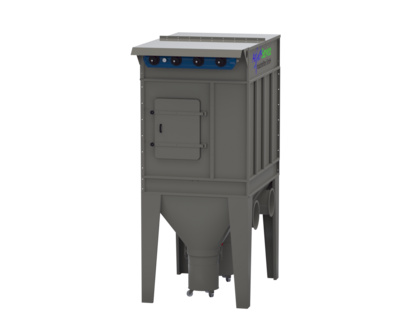
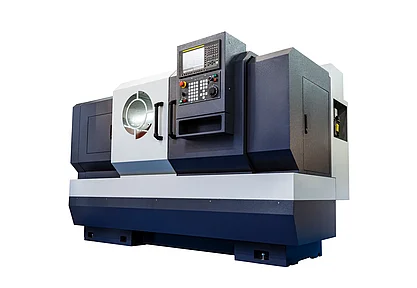
Mechanical engineering and metal construction with high-performance dust filters, cartridge filters, collection systems and ATEX filters
In modern mechanical engineering and metal construction, clean working environments, reliable production processes, and safe plant designs play a crucial role. Wherever metal is processed, welded, ground, cut, or milled, dust, chips, fumes, and other airborne contaminants are generated. These pollutants can not only impair the health of employees but also negatively affect machines, workpieces, and production processes. This is precisely where high-quality dust filters, high-performance cartridge filters, sophisticated capture systems, and specially designed ATEX filters come into play.
Today, a professional filter and extraction solution is far more than just a technical add-on. It is an essential component of efficient, economical, and responsible manufacturing. Companies in the mechanical engineering and metal construction sectors benefit from clean air, reduced downtime, increased process reliability, and improved workplace quality.
Industrial Filter Solutions for Metal and Mechanical Engineering
Mechanical engineering encompasses a wide variety of manufacturing processes. From turning and milling to grinding and surface finishing, different types and particle sizes of dust are generated. The requirements in metal construction are also diverse: welding fumes, grinding dust, metal particles, and fine dust must be captured and reliably filtered as close as possible to their source.
Individually designed filter systems ensure that pollutants do not enter the production hall uncontrolled. Instead, they are captured by suitable collection systems, conveyed through pipes or extraction ducts, and then separated in an appropriate filter unit. This results in a comprehensive concept tailored to the specific application, material type, dust volume, and spatial conditions.
Dust filters for industrial applications
A dust filter is indispensable in many industrial plants. It serves to remove dry dust and fine particles from the air. Particularly in mechanical engineering and metal construction, dust filters can make a significant contribution to occupational safety and plant availability. Without proper extraction, fine metal dust settles on machines, floors, and components. This increases cleaning efforts, can impair product quality, and, in the worst case, cause technical problems.
Modern dust filters are designed for high filtration efficiency, long service life, and easy maintenance. Depending on the application, they can be used as a central filtration system for multiple workstations or as a decentralized solution directly on individual machines. It is crucial that the dust filter is suitable for the actual workload. Factors such as airflow, dust type, particle size, temperature, humidity, and explosion risk must be considered during the design process.
Cartridge filters: Compact, powerful, and efficient
Cartridge filters are among the most proven filter solutions in industrial extraction systems. They are characterized by a large filter surface area in a comparatively compact design. This makes them ideal for applications where large volumes of air need to be cleaned, but space is limited.
The filter cartridges consist of special filter media that reliably retain dust particles. Many systems feature automatic cleaning, in which pulses of compressed air detach the collected dust from the filter surface. The dust then falls into a collection container and can be easily disposed of. This extends the lifespan of the filter cartridges, maintains a stable differential pressure, and ensures energy-efficient system operation.
In mechanical engineering and metalworking, cartridge filters are frequently used in grinding workstations, welding systems, laser cutting systems, machining centers, and mixing processes. They offer an economical solution for companies that want to combine reliable filter performance, a compact design, and high operational reliability.
Capture systems: Capture pollutants directly at the source
A filter system is only as good as its capture system. The earlier dust, smoke, or particles are captured, the more efficiently the entire extraction system operates. The goal is to capture emissions as directly as possible at their source, before they spread throughout the building. This reduces the required air volume, allows for a more efficient filter system, and significantly improves air quality in the work area.
Capture systems can be configured differently depending on the application. Options include extraction arms, capture hoods, point extraction, table extraction, machine connections, or complete cabin solutions. In metal construction, flexible extraction arms are frequently used during welding, while in mechanical engineering, direct machine extraction at machining centers or grinding machines is advantageous.
Professional planning takes into account airflow velocity, capture area, workplace design, and ease of use. A system will only be used effectively in the long term if it is practical and does not disrupt the production process.
ATEX filters for potentially explosive dust-air mixtures
Cellulous or explosive dusts can be generated in certain industrial processes. This applies not only to traditional industries such as woodworking, plastics processing, and food processing, but also, depending on the material and process, to areas in metal construction and mechanical engineering. Specially designed ATEX filters are required for such applications.
ATEX filters are designed for use in potentially explosive atmospheres or for explosive dust-air mixtures. Depending on the risk analysis and system design, additional protective measures may be necessary, such as pressure relief, flameless pressure relief, explosion suppression, check valves, spark arresters, or suitable grounding systems. A careful consideration of the specific application is crucial to ensure optimal interaction between the filter system, the detection system, and the safety devices.
A professionally designed ATEX filter helps reduce risks and make operations safer. It's essential to assess each project individually to determine which ATEX zone, dust properties, and applicable legal and regulatory requirements are relevant.
Individual Solutions Instead of Standard Technology
Every company in the mechanical engineering and metalworking sectors has its own unique requirements. The type of processing, the materials used, the number of workstations, the hall geometry, and the production processes vary from company to company. Therefore, individual consultation and planning are particularly important.
A tailored solution begins with an analysis of the initial situation. What types of dust are generated? Where are they generated? What air volumes are required? Are there any potentially explosive atmospheres? Does the cleaned air need to be recirculated or exhausted to the outside? What maintenance intervals are economically viable? Based on these questions, a system concept is developed that combines technical performance, energy efficiency, safety, and user-friendliness.
Advantages of Modern Dust Filters, Cartridge Filters, and Capture Systems
By using high-quality filter technology, companies benefit from numerous advantages. Clean air improves working conditions and can increase employee satisfaction. Machines and equipment are less affected by dust deposits, which can reduce maintenance and the risk of downtime. At the same time, efficient extraction supports consistent production conditions and high-quality manufactured components.
A modern filter system also makes economic sense. Energy-efficient fans, automatic filter cleaning, demand-based control, and durable filter media help optimize operating costs. Especially with centralized systems serving multiple workstations, well-planned systems can yield significant long-term benefits.
Your partner for mechanical engineering, metal construction, and industrial filter technology
Whether dust filters, cartridge filters, capture systems, or ATEX filters: For demanding applications in mechanical engineering and metal construction, a reliable, safe, and efficient solution is crucial. A professionally designed filter system effectively captures, separates, and safely disposes of dust, smoke, and particles.
Investing in modern filter technology means investing in clean air, safe workplaces, stable production processes, and durable machinery. From the initial consultation and technical design to implementation, every system should be precisely tailored to the specific application. This results in a solution that is not only convincing today, but also meets the requirements of a modern industrial company in the long term.
Mechanical engineering - metal construction - filtersystems