
Air Pollution in Industrial Process Areas
Air pollution is a key issue in many industrial process areas. Whether in metalworking, mechanical engineering, the automotive industry, the food industry, the pharmaceutical industry, the construction industry, or the chemical industry, pollutants can be released into the air wherever materials are machined, heated, mixed, coated, transported, or packaged.
These pollutants include dust, smoke, aerosols, vapours, solvents, odours, fine particulate matter, oil mist, chemical compounds, and gaseous emissions.
Controlling air pollution is important for companies for several reasons. It protects employees’ health, improves production quality, reduces deposits on machinery and equipment, and supports compliance with statutory requirements. At the same time, sustainability, energy efficiency, and occupational health and safety are becoming increasingly important.
By systematically analysing industrial process areas, companies can identify emission sources at an early stage and implement suitable extraction, filtration, and ventilation systems.
Process Areas in Metalworking: Air Pollution Caused by Dust, Smoke, and Oil Mist
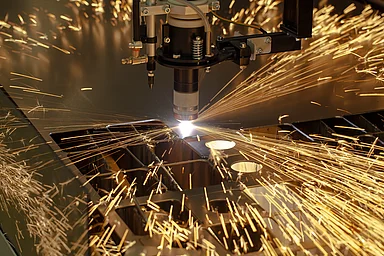
In metalworking, air pollutants are primarily generated during machining, thermal processing, and surface-treatment operations. Typical metalworking processes include grinding, milling, turning, drilling, sawing, welding, soldering, flame cutting, blasting, polishing, and coating. These activities can release metal dust, welding fumes, grinding dust, metalworking fluid mist, and vapours.
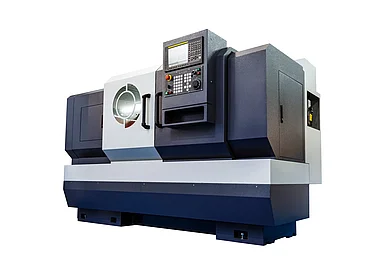
Welding in particular produces fine particles and fumes that may contain different substances depending on the material being processed. Grinding and polishing remove small particles from metal surfaces, which can then spread throughout the indoor air. In CNC machining centres, metalworking fluids can generate oil mist that may settle on machines, factory surfaces, and within employees’ respiratory systems.
Effective air purification in metalworking begins directly at the emission source. Local extraction systems, extraction arms, enclosed machine housings, oil mist separators, and high-performance filtration systems significantly reduce exposure. Regular maintenance and properly designed airflow also help to maintain consistently high air quality in production halls.
Process Areas in Mechanical Engineering: Air Pollution Along the Production Chain
Mechanical engineering also includes numerous process areas in which air pollution can occur. Mechanical engineering frequently combines metalworking, assembly, cleaning, painting, inspection, and packaging. As a result, various types of emissions can occur, including metal dust, oil mist, welding fumes, cleaning-agent vapours, paint aerosols, and solvent vapours.
Machining processes play an important role in the production of machine components. Turning, milling, and grinding generate particles as well as aerosols from metalworking fluids. Smoke, vapours, and thermal decomposition products can be released in welding and assembly areas. When components are cleaned, degreased, or painted, volatile organic compounds may enter the air.
The challenge in mechanical engineering is often to combine different process areas with different requirements. A central factory ventilation system alone is frequently insufficient. A combination of source extraction, room ventilation, filtration technology, and organisational measures is more effective. This enables air pollutants to be captured before they spread throughout the entire production environment.
Process Areas in the Automotive Industry: Air Pollution in Production and Surface Treatment
The automotive industry is one of the most complex industrial sectors. Accordingly, there are many process areas in which air pollution can occur. These include body construction, welding, press shops, foundries, paint shops, plastics processing, battery manufacturing, assembly, cleaning, and quality inspection.
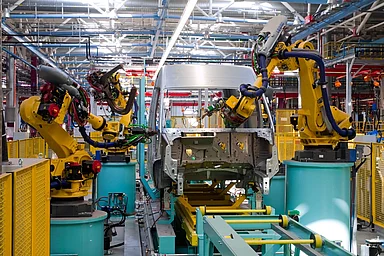
Body construction primarily generates welding fumes and particles. In paint shops, paint mist, solvent vapours, and odours are relevant air pollutants. Plastics processing can produce vapours, dust, and thermal emissions. Foundries and press shops can additionally generate metal dust, smoke, and oil mist.
Particularly stringent requirements apply in sensitive areas such as paint booths and battery manufacturing. In these areas, air quality affects not only occupational safety but also product quality. Dust particles can cause paint defects, while uncontrolled vapours may compromise process safety.
Modern extraction and filtration systems, clean-air concepts, exhaust-air treatment, and continuous air monitoring are therefore essential components of clean process areas in the automotive industry.
Process Areas in the Food Industry: Air Pollution Caused by Dust, Odours, and Aerosols
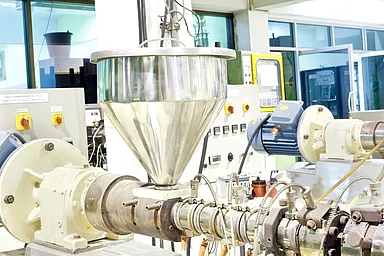
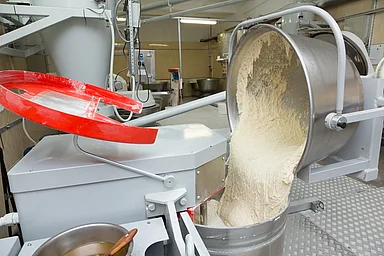
In the food industry, air pollution is frequently associated with hygiene, product protection, and occupational safety. Typical food-industry processes include grinding, mixing, drying, baking, roasting, frying, filling, packaging, cleaning, and storage. Depending on the product, flour dust, sugar dust, spice dust, grease mist, water vapour, odours, or bioaerosols may be generated.
Powdered raw materials such as flour, milk powder, cocoa, spices, and sugar can easily produce dust. This dust can not only affect the respiratory system but also contaminate surfaces and, at certain concentrations, create an explosion hazard. Thermal processes such as baking, roasting, and frying generate vapours, odours, and grease particles.
Hygienic airflow, easy-to-clean extraction systems, and suitable filtration solutions are particularly important in the food industry. The objective is to reduce airborne contaminants, prevent cross-contamination, and maintain consistently high product quality. Controlled room-air technology can also help to keep temperature, humidity, and particle concentrations at stable levels.
Process Areas in the Pharmaceutical Industry: Air Pollution and Controlled Production Environments
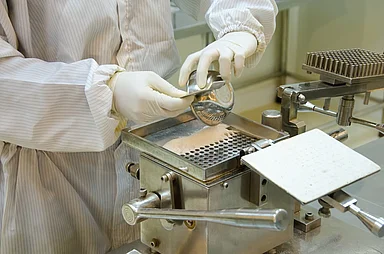
Air purity plays a particularly important role in the pharmaceutical industry. Processes in which air pollution may occur include weighing, dosing, mixing, granulating, tabletting, coating, filling, packaging, cleaning, and laboratory work. These operations can release active-ingredient dust, excipient particles, solvent vapours, or aerosols.
Because pharmaceutical products must meet very stringent purity and safety requirements, the objective is not only to protect employees but also to protect the product. Airborne contaminants can contaminate production batches, cause cross-contamination, or impair a product’s effectiveness. For this reason, cleanrooms, containment systems, negative- or positive-pressure concepts, and specialised filtration systems are used in many areas.
When highly active pharmaceutical ingredients are handled, safely capturing airborne contaminants directly at the process is especially important. Enclosed systems, extraction hoods, safety workbenches, and HEPA filtration help to separate particles in a controlled manner. The pharmaceutical industry therefore demonstrates particularly clearly how closely process safety, air quality, and product quality are connected.
Process Areas in the Construction Industry: Air Pollution Caused by Dust and Exhaust Gases
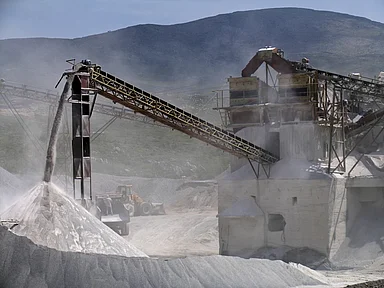
In the construction industry, air pollution is generated both on construction sites and during the manufacture of building materials. Typical processes include drilling, cutting, milling, grinding, chiselling, demolition work, concrete mixing, cement processing, asphalt work, transportation, and material handling. These activities primarily generate mineral dust, silica dust, diesel exhaust gases, bitumen vapours, and fine particulate matter.
Dust-intensive activities such as cutting concrete, grinding screed, or carrying out demolition work can produce high particle concentrations. Fine dust remains suspended in the air for long periods and may be inhaled by employees. Machinery and vehicles also contribute to air pollution through exhaust gases and resuspended dust.
Mobile extraction systems, dust collectors, water mist, enclosed tools, and low-emission machinery are used to reduce air pollution in the construction industry. Organisational measures such as low-dust working methods, regular cleaning, and clearly defined working areas are also important. Flexible, robust, and practical solutions are essential, particularly on construction sites.
Process Areas in the Chemical Industry: Air Pollution Caused by Gases, Vapours, and Reaction Products
The chemical industry encompasses a broad range of processes. Processes in which air pollution may occur include mixing, reacting, distilling, drying, filling, storage, conveying, cleaning, and packaging. These operations can release gaseous substances, solvent vapours, acid mist, dust, odours, or reaction by-products.
Many chemical-industry processes require enclosed systems because the substances used may be reactive, irritating, flammable, or odour-intensive. Nevertheless, emissions can occur at interfaces such as filling stations, sampling points, ventilation outlets, or cleaning areas. Dust may also be released when powders and granulates are handled.
Effective air purification in the chemical industry is based on a detailed risk assessment and a suitable technical solution. These solutions include local extraction systems, activated-carbon filters, wet scrubbers, exhaust-air purification systems, explosion-protection concepts, and continuous monitoring. The objective is to capture airborne contaminants safely, prevent hazardous concentrations, and protect both employees and the environment.
Conclusion: Systematically Identifying and Reducing Air Pollution in Process Areas
Whether in metalworking, mechanical engineering, the automotive industry, the food industry, the pharmaceutical industry, the construction industry, or the chemical industry, air pollution occurs in many different process areas and requires industry-specific solutions. Dust, smoke, vapours, aerosols, odours, and gases can affect health, disrupt production processes, and impair product quality.
A systematic analysis of emission sources is essential. Companies should determine which substances are released in which process areas, how high the exposure levels are, and which technical measures are suitable. Solutions that capture airborne contaminants directly at the source are particularly effective. Room ventilation, filtration technology, regular maintenance, employee training, and continuous measurements can additionally improve air quality over the long term.
Clean production air is therefore not only an important contribution to occupational safety but also a significant competitive factor. Companies that reduce air pollution in industrial process areas create safer workplaces, protect their equipment, improve product quality, and strengthen their long-term viability. These applications and process areas constitute the core field of activity of Air Fresh Service Industriefilter GmbH.