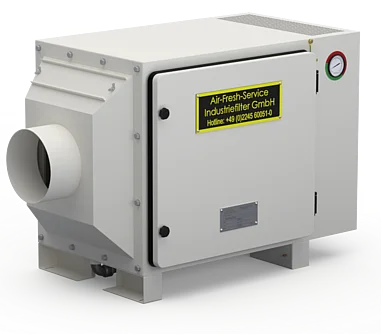
Mechanical emulsion fog filter
Emulsion mist separators for demanding industrial processes
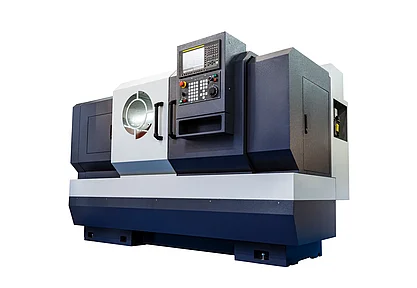
electrostatic oil mist separator
Oil mist filters for demanding industrial processes
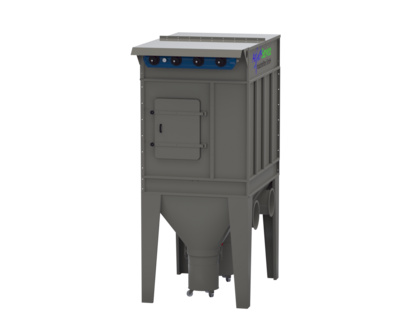
Staubfilter - Patronenfilter - Schlauchfilter
Dust filters - cartridge filters - hose filters
Ölnebelabscheider elektrostatisch
Ölnebelfilter für anspruchsvolle Industrieprozesse
Ölnebelabscheider elektrostatisch
Ölnebelfilter für anspruchsvolle Industrieprozesse
Air pollution control in industry: Efficient filter technology for clean production processes
Industrial filtration solutions for clean air are a key component of modern production facilities. Dust, fumes, oil mist, emulsion mist, aerosols, and other airborne contaminants are generated in almost every area of industrial manufacturing. Without reliable extraction and filtration technology, these substances can not only affect machinery and equipment but also endanger employees’ health and impair product quality. Companies that invest in professional air pollution control at an early stage therefore create not only a clean working environment but also improve process reliability, energy efficiency, and cost-effectiveness.
Whether in metalworking, mechanical engineering, the food industry, plastics processing, the chemical and pharmaceutical industries, or surface treatment, suitable filtration systems are available for every application. Cartridge filters, bag filters, oil mist separators, and emulsion mist separators are among the systems most commonly used. The key requirement is that the filtration system is precisely tailored to the type of emissions, the airflow volume, the production process, and the company’s operational requirements.
Why Is Air Pollution Control So Important in Industry?
Different types of air contamination are generated in industrial production halls depending on the process involved. Fine dust may be released during grinding, blasting, cutting, or filling operations. In metalworking, turning, milling, drilling, and grinding frequently generate oil mist and emulsion mist. Welding and thermal cutting produce fumes and ultrafine particles. These substances can spread throughout the indoor air and may lead to long-term health risks.
High-performance industrial air pollution control ensures that contaminants are captured, extracted, and filtered as close as possible to their point of origin. This significantly reduces the contamination of the ambient air. At the same time, machinery, workpieces, and electronic components are protected from deposits. Cleaning requirements, downtime, and wear can also be reduced. For many companies, a modern filtration system is therefore not only a matter of occupational safety but also an important component of stable and efficient production processes.
Cartridge Filters: A Compact Solution for Dust and Fine Particles
Cartridge filters are among the most commonly used filtration systems for industrial dust collection. They are particularly suitable for dry dust, fine particles, and particulate matter generated during a wide range of machining and production processes. Typical applications include grinding workstations, mixing processes, powder coating, bulk material handling, plastics processing, and metalworking.
The main advantage of cartridge filters is their compact design and large filtration area within a relatively small space. The filter cartridges usually consist of pleated filter media, enabling a high separation efficiency. Depending on the type of dust and the application, different filter materials can be used, including antistatic, oil- and water-repellent, or particularly temperature-resistant media.
Another advantage is automatic filter cleaning. Many cartridge filter systems use compressed-air pulses to remove accumulated dust from the filter cartridges at regular intervals. This keeps the differential pressure stable, maintains consistent extraction performance, and limits maintenance requirements. For companies, this means high filtration performance, reliable operation, and excellent conditions for energy-efficient extraction.
Bag Filters: Proven Technology for High Airflow Volumes
In addition to cartridge filters, bag filters are a proven solution for industrial air purification. They are frequently used wherever large volumes of air must be cleaned or high dust loads occur. Bag filter systems are used in applications including wood processing, the cement industry, foundries, recycling facilities, power plants, the building materials industry, and numerous bulk material processes.
The operating principle is robust and effective: Dust-laden air flows through textile filter bags. Dust particles remain on the surface of the filter medium, while the cleaned air continues through the system. Here too, cleaning is often performed automatically, for example by compressed-air pulses or mechanical methods. The separated dust is subsequently discharged into collection containers, discharge systems, or big bags.
Bag filters are particularly valued for their durability and adaptability. Depending on the process, filter bags made from different materials can be selected, for example for abrasive dust, high temperatures, or chemically demanding applications. This allows bag filters to be adapted very effectively to individual production conditions. For companies that continuously handle high airflow volumes, they provide a reliable and cost-effective solution.
Oil Mist Separators for Metalworking
Fine oil mist is frequently generated in machining processes, particularly when metalworking fluids, cutting oils, or minimum-quantity lubrication systems are used. These aerosols can spread through the ambient air, settle on machine surfaces, and create slippery floors. They may also produce unpleasant odors and irritate the respiratory system. Oil mist separators are therefore an important component of modern manufacturing facilities.
Oil mist separators capture contaminated air directly at the machine tool or through centralized extraction systems. The oil particles are then removed from the airflow. Depending on the application, mechanical separators, coalescence filters, electrostatic precipitators, or multi-stage filtration systems may be used. The objective is to separate oil mist reliably and either recirculate the cleaned air or discharge it outdoors.
A properly designed oil mist separator significantly improves air quality in the production environment. At the same time, it protects machinery, control systems, and production areas from oily deposits. In many cases, the separated oil can be collected and returned to the process, provided that operating conditions allow it. This creates additional savings potential and promotes a more sustainable use of operating materials.
Emulsion Mist Separators: Clean Air When Using Water-Based Metalworking Fluids
In addition to oil mist, emulsion mist is frequently generated in metalworking operations. This occurs primarily when water-based metalworking fluids are used. Emulsion mist consists of extremely fine liquid droplets that may contain water, oil components, additives, and machining residues. Without effective separation, this mist can spread throughout the working area and significantly impair air quality.
Emulsion mist separators are specifically designed to remove these fine aerosols from process air. They are commonly installed on CNC machines, machining centers, grinding machines, and lathes. Modern systems often use multiple filtration stages: Larger droplets are initially pre-separated, while finer aerosols are subsequently removed by specialized filtration stages or electrostatic systems. This achieves a high level of separation efficiency.
Emulsion mist separators offer production companies several benefits. They improve occupational safety, reduce moisture and deposits in the production hall, and help keep machinery and workpieces clean. At the same time, controlled airflow can help stabilize the indoor climate and reduce maintenance requirements.
Energy Efficiency in Industrial Air Pollution Control
Energy efficiency is a particularly important factor when selecting filtration systems. In many companies, extraction and air purification systems operate for many hours a day or even continuously. Their impact on energy costs can therefore be substantial. An inefficient system may generate permanently high operating costs, while an optimally designed solution can deliver significant savings.
Energy-efficient air pollution control begins at the planning stage. The airflow volume should be as high as necessary but as low as possible. Precise capture of contaminants directly at their point of origin reduces the required airflow. Short ductwork, aerodynamically optimized ducts, and suitable filter media also contribute to lower energy consumption.
Modern filtration systems can additionally be equipped with variable-frequency-controlled fans. These adjust their output to the actual demand. For example, when only some of the machines are operating, the system does not need to extract the full airflow volume. Intelligent control systems, differential-pressure monitoring, and automatic filter cleaning also help maintain stable filtration performance and avoid unnecessary energy losses.
Airflow management also plays an important role. In many cases, cleaned air can be returned to the production hall, provided this is technically and legally permissible. This reduces the loss of heated or cooled indoor air. Particularly in heated production areas, this can result in significant savings in heating and air-conditioning costs.
The Right Filtration Technology for Every Application
Whether cartridge filters, bag filters, oil mist separators, or emulsion mist separators are used, the best solution always depends on the specific process. Dry dust places different demands on a filtration system than sticky, moist, or oily aerosols. Factors such as particle size, airflow volume, temperature, explosion protection, available space, maintenance access, and the desired airflow configuration must also be taken into account.
Professional system design ensures that the filtration system operates reliably and remains cost-effective over the long term. This includes a detailed analysis of the emission source, the selection of suitable filter media, fan technology matched to actual demand, and a well-designed maintenance concept. Companies that take these factors into account benefit from cleaner air, lower operating costs, and greater process reliability.
Conclusion: Clean Air, Safe Processes, and Lower Energy Costs
Industrial air pollution control is far more than a legal or organizational obligation. It is a decisive factor in occupational safety, machine availability, product quality, and energy efficiency. Modern cartridge and bag filters provide reliable dust collection, while oil mist and emulsion mist separators ensure cleaner air and fewer deposits, particularly in metalworking operations.
Companies that choose individually designed, energy-efficient filtration technology create better working conditions while simultaneously reducing ongoing costs. High-performance industrial air purification is therefore an investment in health, sustainability, and competitiveness.